Sit & Go Heads-Up
Heads-up decides most single-table SNGs. Learn ranges, aggression, blind dynamics and a worked shove example for winning the last two players.
On this page · 6 sections
Heads-up is where sit & gos are actually won. You can play a flawless first eight players, arrive with a chip lead, and still walk away with second-place money if your heads-up game is weak. This is the most different phase of the entire tournament, and it rewards players who study it specifically. If you want the broader single-table framework first, start with our heads-up SNG strategy overview and then use this page to sharpen the details.
Why heads-up flips everything
At a full table you fold most hands and wait for spots. Heads-up you cannot. You post a blind every single hand, so passivity is a slow death — fold too often and the blinds grind you to nothing. The correct mindset is aggression: you are trying to win pots, apply pressure, and force your opponent into uncomfortable decisions.
Position is also absolute. Heads-up, the button posts the small blind and acts first preflop but last on every postflop street. That last-to-act advantage is enormous, which is why you play a huge range of buttons and defend a wide but more selective range from the big blind.
Hand values change too. There are no multiway pots and no coordinated field to run into. A hand like K-4 offsuit is trash at a full table but a clear button raise heads-up, because you are only up against one random hand and you have position.
Button and big-blind ranges
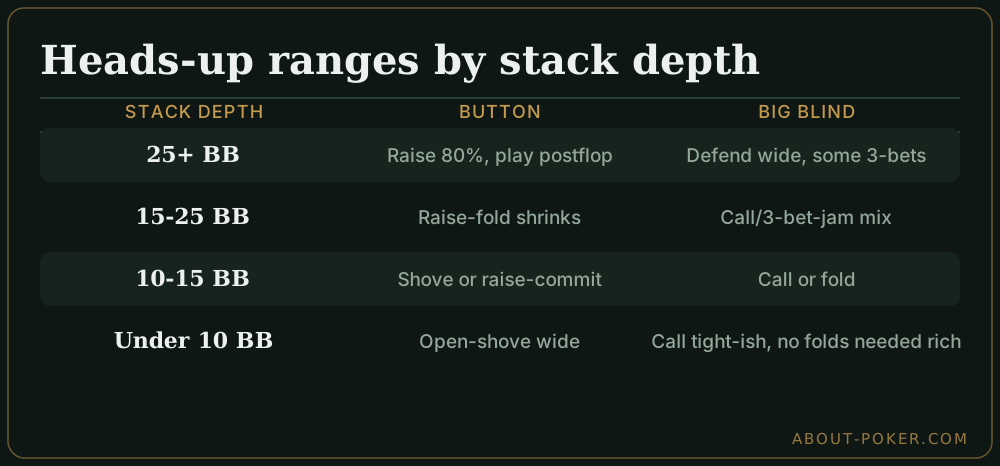
A strong default is to raise around 80% of buttons. Realistically that means raising almost everything except the very worst offsuit combinations like 7-2, 8-3, 9-4 and similar. Any ace, any king, any pair, any suited hand, and most offsuit hands with a broadway card or connectedness are open-raises to about 2 to 2.5 big blinds.
From the big blind, you defend wide against a min-raise because you are getting a great price to see a flop in position-disadvantaged but heads-up terms. Fold your worst hands, call with playable ones, and three-bet a polarized mix: strong value like big pairs and A-K plus some light hands that flop poorly and prefer to take the pot down now.
As stacks shorten, ranges collapse into push/fold. This is the same math that governs ICM and heads-up deals — when you have 10 big blinds or fewer, raise-folding wastes chips, so you shove or fold from the button and call or fold from the big blind.
A worked shove example
Blinds are 100/200, you are on the button with 2,400 chips (12 big blinds) and hold K-8 offsuit. Your opponent covers you. Is this a shove?
Yes. At 12 big blinds heads-up, K-high offsuit is comfortably inside a profitable open-shove range. Your opponent must call with a fairly wide range to punish you, and against that calling range K-8 offsuit has enough equity — often 38-42% when called — that the frequent folds plus your equity when called make shoving clearly better than folding. Folding K-8 here would be a significant leak. Contrast that with 7-2 offsuit at the same stack: that is close to the fold threshold and you would let it go.
Common heads-up mistakes
The biggest leak is playing too tight. Applying full-ring instincts heads-up means folding your blind away and never contesting pots you should own. The second leak is the opposite — spewing chips with reckless bluffs on every street against a calling station. Read your opponent: bluff more against tight folders, value-bet relentlessly against callers.
A third mistake is ignoring stack sizes. Deep-stacked heads-up (25+ big blinds) is a postflop game of position and pot control. Short-stacked heads-up is a math game of push/fold ranges. Many players use one strategy for both and lose value.
How opponents change your plan
- Tight passive: raise every button, c-bet relentlessly, and fold to their rare aggression because it is almost always strong.
- Loose passive (calling station): stop bluffing, bet your value hands bigger, and let them pay you off.
- Loose aggressive: tighten your calling and three-betting standards slightly, then trap by letting them barrel into your strong hands.
Tracking these tendencies over the match matters more than any preflop chart. Your win rate heads-up is where your overall SNG ROI and win rate are ultimately decided, because first place typically pays 65% and second only 35% in a standard payout — winning heads-up is worth almost double.
Heads-up checklist
Before your next heads-up match, run this list:
- Am I raising at least 70-80% of my buttons?
- Am I defending my big blind wide against min-raises?
- Have I switched to push/fold at 10-12 big blinds or less?
- Am I adjusting bluff frequency to my opponent’s calling tendency?
- Am I playing close to chip-EV since both players already cashed?
Get those five right and you will convert far more chip leads into first-place finishes.
Frequently asked
How different is heads-up play from full-ring SNG play?
Very different. Every hand you post a blind, so folding constantly bleeds chips. You raise and defend far wider than at a full table, position matters on every single hand, and hand values shift because you are only up against one random holding.
What hands should I raise from the button heads-up?
Most winning players open 70-90% of buttons in a heads-up SNG. Any ace, any king, most queens, any pair, most suited connectors and any two cards that flop reasonably are raises. You only fold the very worst offsuit trash.
Is there ICM pressure heads-up in a sit & go?
Barely. Once you reach heads-up in a standard single-table SNG, both players have already cashed, so the only decision left is first versus second. That means you play close to chip-EV and can gamble more freely than on the bubble.
Should I offer a deal heads-up?
Only if the numbers favor you or the variance reduction is worth it. If you hold a big chip lead a straight chip-chop overpays your opponent, so use an ICM-based deal instead or just play it out.